E-Bike Classes and Buying Basics: A Plain-Language Explainer
Understand how e-bikes are classified, what to look for before you buy, and how to ride and store an electric bike safely.
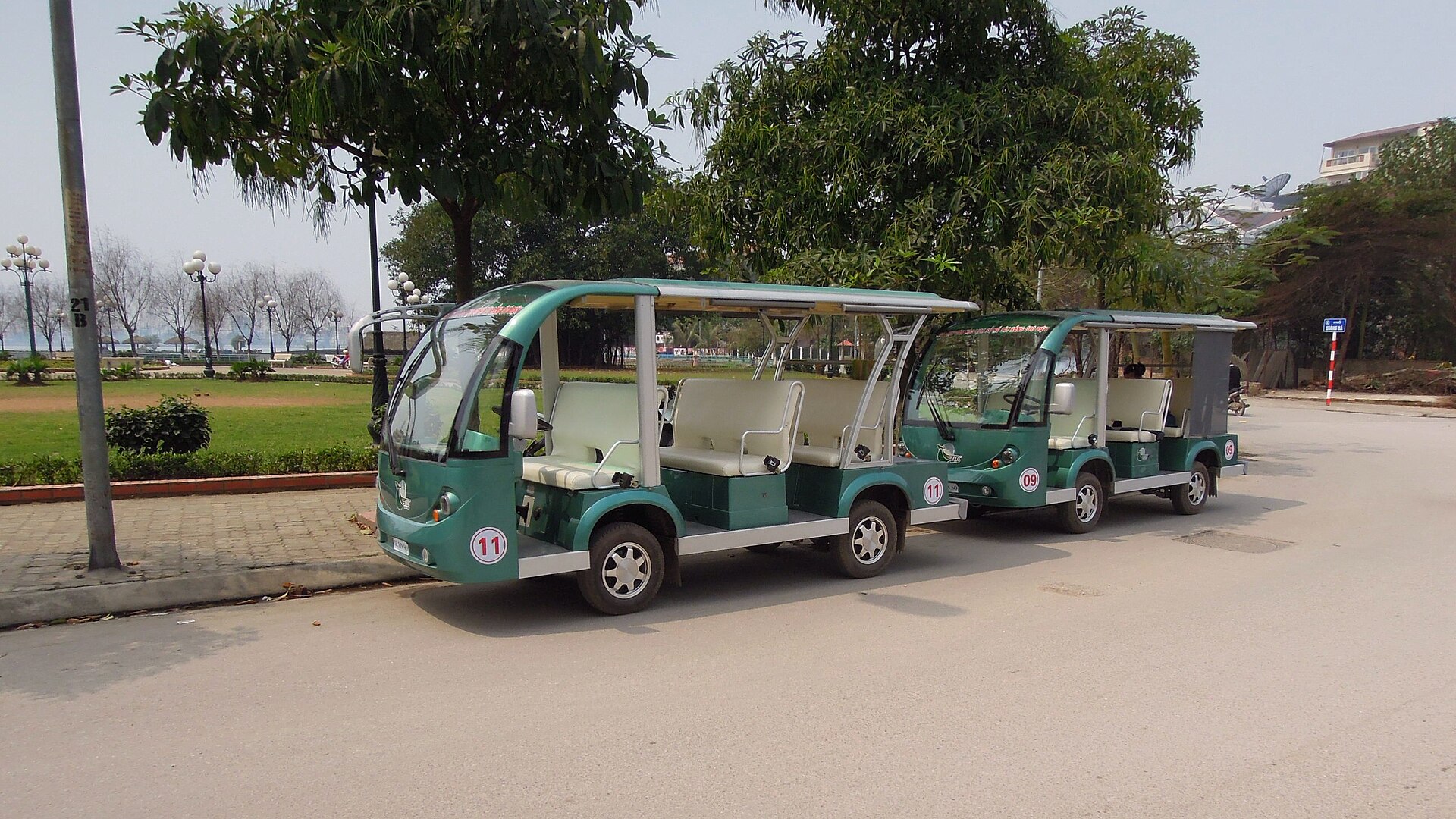
Cover: Electric Bus, West Lake, Urban Discovery Bicycle Tour, Tây Hồ District, Hanoi · Wikimedia Commons · CC BY 2.0
Question: What are the different classes of e-bikes and what should I know before choosing or riding one?
How an e-bike works
An electric bicycle combines a standard bicycle frame and drivetrain with a rechargeable battery and an electric motor. The motor can help you move forward while you pedal, and in some designs a throttle can move the bike without pedaling. You still steer with the handlebars and stop with the brakes, but the motor makes pedaling feel easier, especially on hills or into wind.
The three-class system
Many state and national laws sort e-bikes into three classes to balance rider choice with public safety. Class 1 e-bikes provide pedal assistance only, stopping at a set speed. Class 2 e-bikes also have a throttle that can move the bike without pedaling, with a similar speed limit. Class 3 e-bikes are pedal-assist only but allow a higher assistance speed. The exact definitions and where each class may be ridden vary from place to place, so always check the rules for your area and the labels on the bike itself.
Choosing an e-bike for your routine
Think about where you ride most often. If you commute on flat roads, a simple city-style e-bike may suit you. If you face steep hills or carry cargo, a motor with more torque and a bike with stronger brakes might be more comfortable. Consider how you will store the bike and charge the battery at home or work, whether you need space for panniers or racks, and how the bike feels when you sit on it. Test-ride models when you can, and check the manufacturer's guidance for tire, brake, and drivetrain care.
Battery care and storage
The battery is a key part of an e-bike, so care affects how long it lasts and how safely the bike performs. Follow the manufacturer's instructions for charging, storing, and removing the battery. Keep the battery away from extreme heat and cold, store it in a dry place, and avoid using chargers or components that were not made for the bike. If you remove the battery for indoor charging, keep it out of the way where it will not be stepped on or knocked over.
Safety and legal basics
E-bikes are bicycles for most safety purposes, so ride like a cyclist: wear a properly fitted helmet, use lights and reflectors in low visibility, signal turns, and ride in the direction of traffic. Check whether your state or city requires a specific class of e-bike to stay on roads, bike lanes, or paths. Be extra careful at intersections and around parked cars, and remember that a heavier, faster bike can take longer to stop, so give yourself more braking distance.